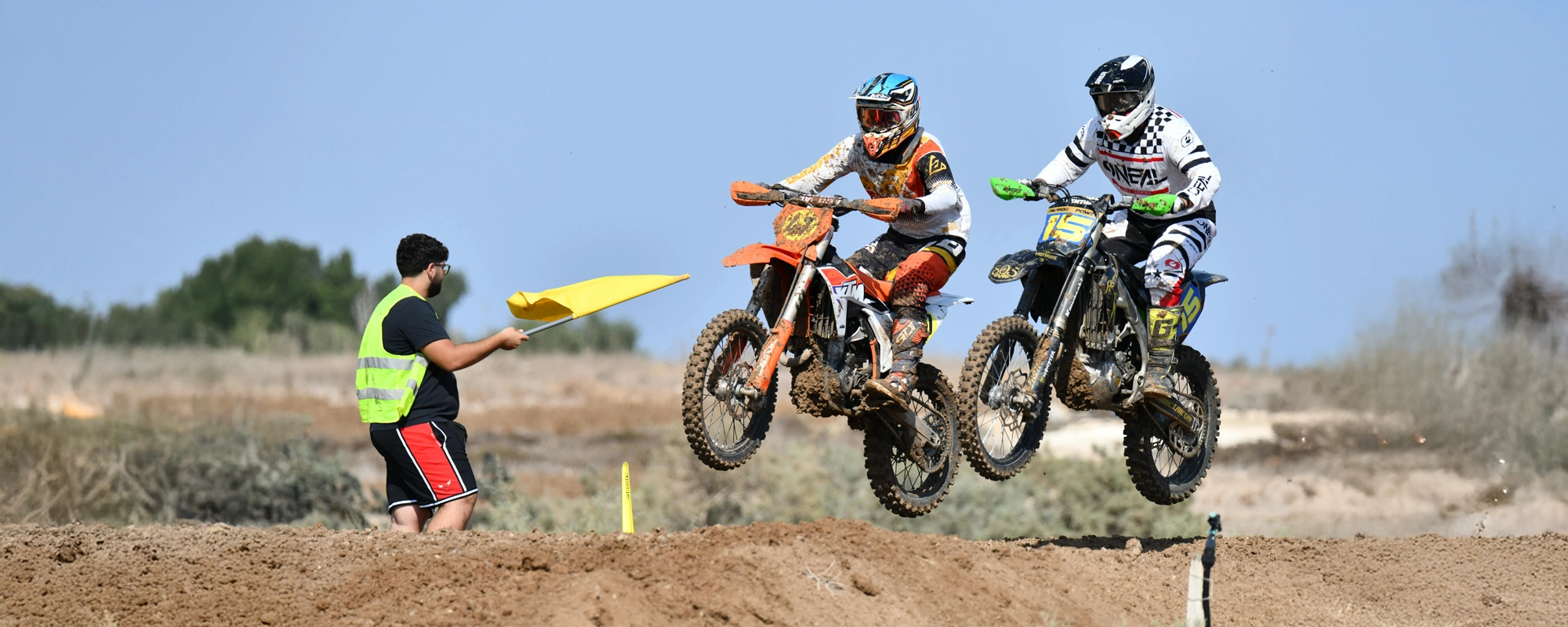
The role of flaggers, or corner marshals, is paramount in managing risks during both practice sessions as well as official race day practices and races. By monitoring the track and communicating vital information to riders, flaggers help to ensure a safe environment for everyone involved.
Understanding the Responsibilities of Flaggers
Flaggers are strategically placed around the track to observe and manage rider safety. According to the
Caution Flagger Manual by the
Brett Downey Safety Foundation, a flagger's duties extend beyond merely waving flags; they are essential protective figures on the track. Here are some key responsibilities:
- Monitoring and Safety: Flaggers must remain alert at all times, actively watching for incidents and potential hazards on the track. They position themselves such that they can be visible to approaching riders and must never turn their backs on moving motorcycles.
- Incident Response: When an accident occurs, the flagger's primary role is to warn other riders by waving the yellow flag, ensuring they have sufficient time to react and slow down safely. Importantly, flaggers do not assist injured riders; this duty falls to the emergency medical staff. Their goal is to manage the situation without escalating the danger.
- Communication via Flags: Flaggers use a standardized system of colored flags to communicate essential information:
-
- Yellow Flag: Indicates a serious hazard on or near the track, warning riders to slow down and refrain from overtaking.
- Red Flag: Signals that the race has been stopped due to an emergency, requiring immediate attention.
- Checkered Flag: Marks the end of a race or practice session.
The Impact of Flaggers on Safety During Standard Practice and Race Days
Every motocross event involves inherent risks, particularly on jumps or in blind corners. Flaggers play a crucial role on practice days, helping to maintain a safe environment by providing guidelines about track conditions and notifying riders of any immediate dangers. Their presence is vital during race days for several reasons:
- Blind Spots: Accidents often occur in areas that are not visible to other riders, especially after jumps. Flaggers in these blind spots can alert riders to downed competitors and prevent additional incidents.
- Emergency Situations: If a rider is incapacitated or in distress, flaggers must react quickly, waving the appropriate flags and ensuring that medical personnel can access the rider freely.
Flaggers Responsibilities
To fulfill their responsibilities effectively, flaggers should follow several best practices outlined in the
Caution Flagger Manual:
- Preparation and Training: Flaggers should arrive at the racetrack at least an hour before events begin. They need to review their responsibilities and the flagging procedures during a crew meeting.
- Awareness of Environment: Flaggers must identify high-risk areas on the track and constantly observe for debris or irregularities that could lead to accidents.
- Personal Safety: Protecting themselves is the flagger’s priority; they must position themselves safely, typically behind barriers, and never leave their post while motorcycles are on the track. Open-toed shoes or improper clothing are not acceptable for flaggers, as they need to be prepared for long hours in varying weather conditions.
- Communication: Effective communication is critical among the flagging crew. They must work as a team, reporting incidents and assisting each other throughout the event.
The presence of well-trained flaggers at motocross events is not just beneficial; it is essential for ensuring the safety of riders, spectators, and event staff. Their vigilant monitoring, quick responses, and clear communication can significantly prevent accidents and save lives. As we continue to promote safety standards and practices, the importance of flaggers in the motocross environment cannot be overstated. Investing in effective training and management for flaggers is an investment in the safety and future of motocross itself.