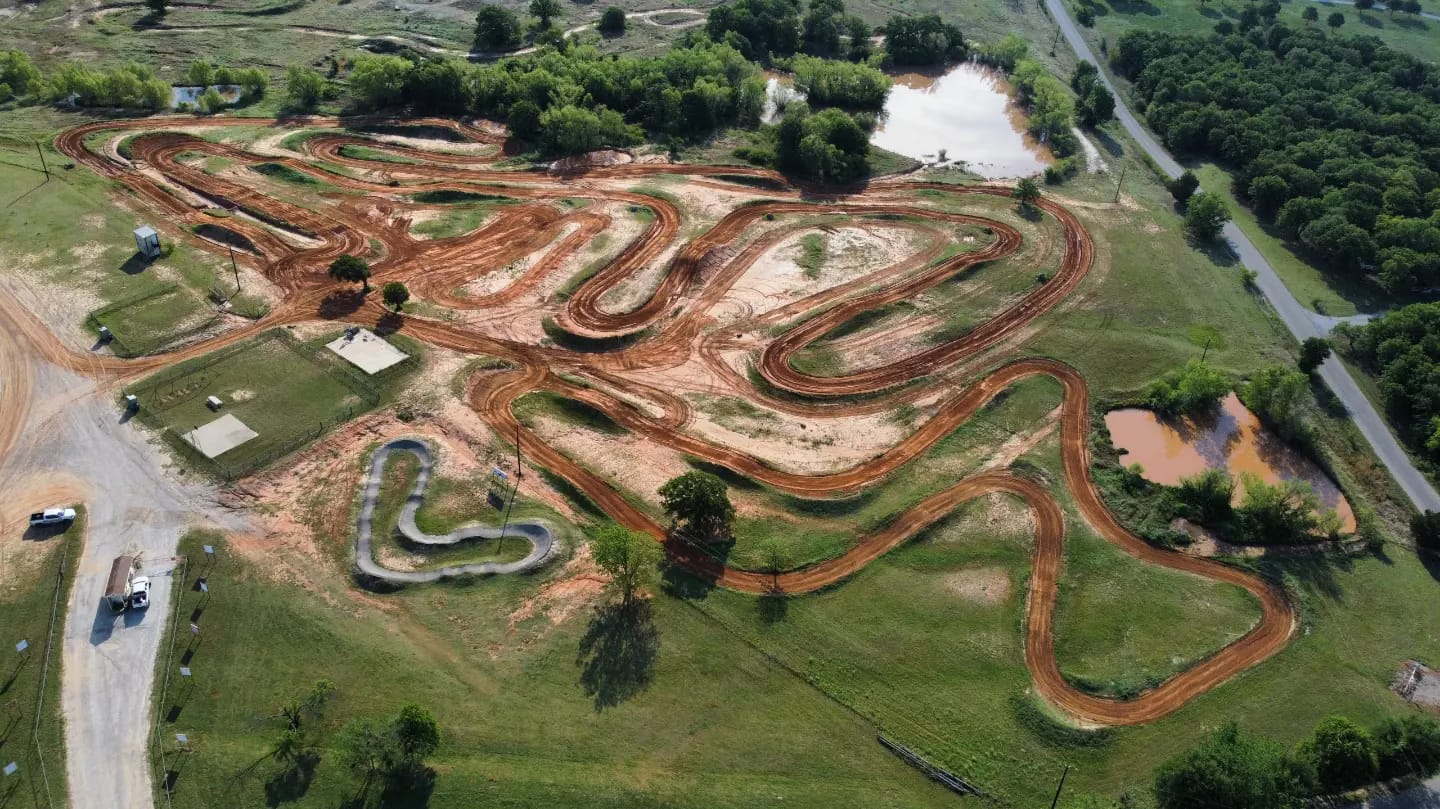
Motocross has always been known for its high-energy, passionate community, and undeniable thrill. But today, the sport is facing one of its toughest challengers yet: soaring liability insurance costs. Responsible track owners nationwide are burdened with the continuous threat of expensive lawsuits, even when maintaining facilities at the highest safety standards. Consequently, many beloved tracks have permanently shut down, limiting opportunities for riders and negatively affecting local communities.
Thankfully, a powerful solution has emerged:
Inherent Risk Legislation.
Texas Joins Arkansas: Momentum Builds for Inherent Risk Protection
In a landmark victory for the motocross community,
Texas has become the latest state to adopt critical inherent risk legislation specifically tailored to off-road motorcycling. On June 20, Governor Greg Abbott signed
HB 5624 into law, marking
Texas as the second state in 2025—following
Arkansas—taking significant action to protect the sport. Earlier in the year,
Arkansas Governor Sarah Huckabee Sanders signed the groundbreaking Act 312, further strengthening this growing national movement.
With the dedicated backing of the
American Motorcyclist Association (AMA), partnering track owners, enthusiastic riders, and industry advocates, this new legal framework marks a remarkable step forward. AMA Central States Representative Nick Sands emphasized the importance of
HB 5624, stating, "This bill will ensure a more transparent liability process for property owners and riders accessing off-road facilities throughout the Lone Star State."
Effective from September 1, 2025,
Texas HB 5624 aims to foster a predictable and fair legal environment that goes beyond simply protecting businesses. It preserves spaces where enthusiasts can safely develop their skills, deepen friendships, and continue to share their passion with future generations.
Understanding "Inherent Risk": What Does It Mean for Motocross?
"Inherent risk," in legal terms, reflects the natural risks tied to any given sport or activity, such as falling during skiing, or horse-back riding accidents. Motocross riders routinely face inherent risks like collisions, rider miscalculations, competitor errors, or variable surface conditions. No matter how diligently track owners maintain their facilities, certain dangers simply can't be removed entirely.
This is precisely where inherent risk legislation steps in. It legally recognizes these unavoidable risks while creating clearer guidelines and standards for liability. Crucially, this protects property owners and event organizers from frivolous civil lawsuits arising solely from inherent riding dangers.
But it's just as important to clarify what inherent risk laws do not protect: gross negligence or intentional misconduct. These measures carefully maintain accountability and encourage consistently safe practices.
Learning from Other Sports: Proven Advantages of Risk Legislation
Interestingly, inherent risk laws aren't a novel idea—they've successfully protected outdoor recreational sports, like skiing and horseback riding, for decades. Given motocross’s comparable risks, it’s surprising—and somewhat unfair—that these same protections were not integrated sooner.
The proven effectiveness in other sports provides a critical blueprint for motocross. Such legislation creates a balance of safety, clear legal protection, and sustainability which allows these thrilling activities to flourish without facing excessive financial strain from litigation.
Your Role in Securing Motocross’s Future
Texas and
Arkansas offer powerful examples, but there's still significant work ahead to advance the cause nationwide. Currently, the AMA is actively lobbying for similar legislations in Iowa, Missouri, and other states preparing bills for their upcoming legislative sessions.
Whether you’re a motocross enthusiast, track owner, industry professional, or simply a supporter of sporting fairness, your voice counts. Here’s how you can contribute actively:
Advocate to Your Legislators
Your representatives need to know your experiences firsthand. Share stories illustrating how existing liability laws limit rider access, decrease safety by causing overcrowding at remaining facilities, and financially stress tracks into closure. Personal testimony often resonates strongest with policymakers, highlighting the urgent necessity for reform.
Support Pro-Rider Organizations
Stand behind the AMA and similar advocacy groups. Financial contributions (of any size) to these front-line organizations amplify their voices, providing resources necessary for successful advocacy campaigns. Beyond monetary support, actively promote these groups within your community.
Create and Support Local Advocacy Groups
There’s incredible power in numbers. Grassroots activism can drive significant change through petitions, community meetings, public education, and organized interactions with legislators. A united voice makes a compelling and impactful statement.
Promote Responsible Riding Practices
Commit yourself—and encourage your peers—to prioritize safety through ongoing rider education and dedicated adherence to track regulations. Showing legislators that the motocross community takes proactive responsibility to mitigate risk significantly bolsters advocacy positions.
The Road Ahead: Act Now to Protect Motocross
Addressing liability head-on goes beyond track-level economics. It's about safeguarding the entire motocross way of life, fostering sustainable growth, and securing a vibrant future for the sport we love. Through comprehensive legislation, engaged communities, and responsible riding habits, we can preserve motocross for decades to come.
Stay updated and get involved. Visit
AmericanMotorcyclist.com/rights to subscribe to
AMA Rights updates. Your effort makes a meaningful difference—together, we can protect and advance motocross nationwide.